
Can Old Dental Fillings in Fresno, CA Be Replaced? Here’s What You Should Know
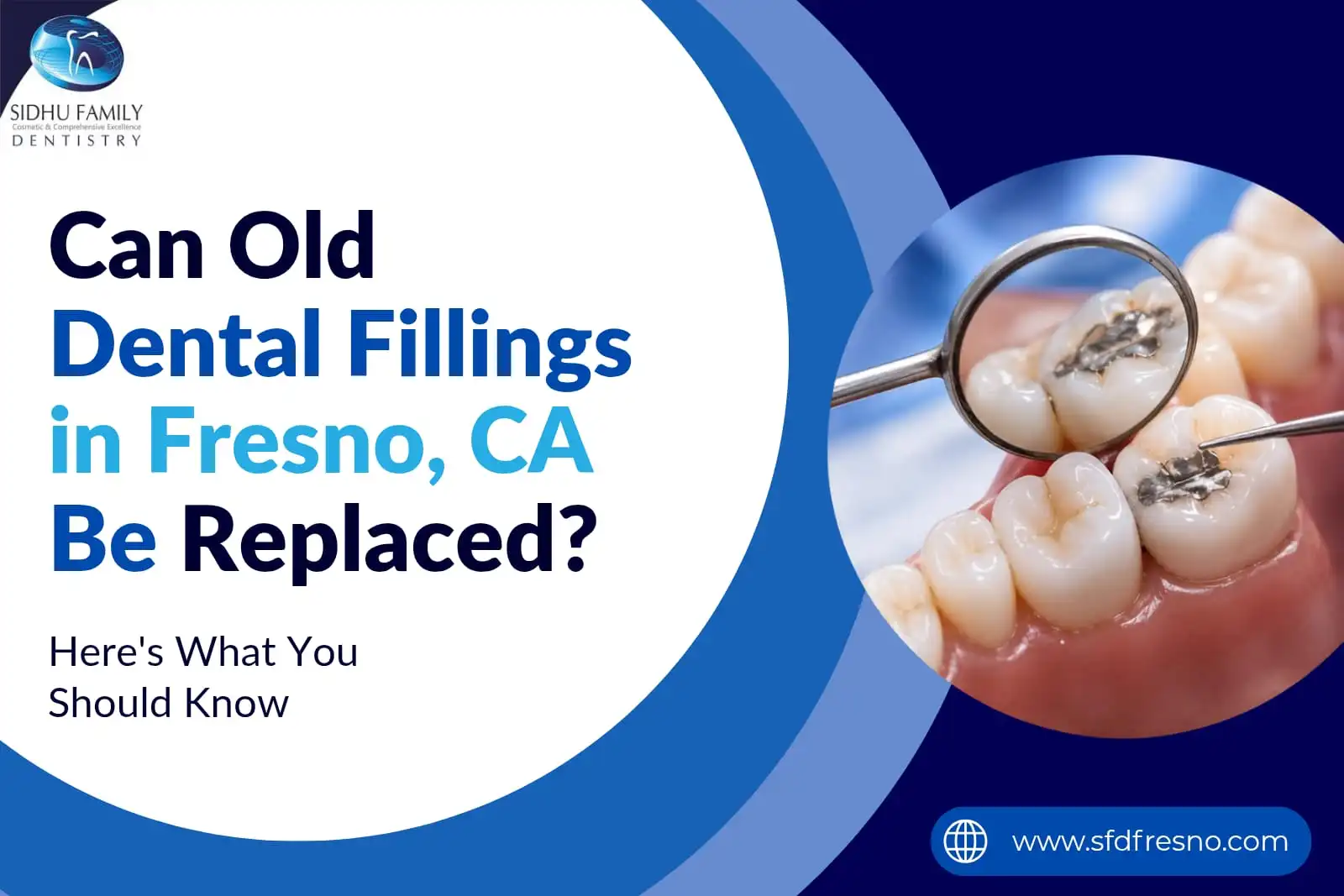
Best dental fillings in Fresno, CA are one of the most common and effective treatments for repairing teeth affected by cavities or minor damage. While fillings are designed to be durable, they don’t last forever. Over time, normal wear and tear, chewing pressure, and changes in your oral health can cause fillings to weaken or fail.
If you’ve had a filling for several years, you may wonder whether it needs to be replaced. The good news is that modern dentistry offers safe and effective solutions to restore your tooth and protect your oral health.
In this blog, we’ll discuss why old dental fillings may need replacement, the warning signs to watch for, and what you can expect during the replacement process.
Do Dental Fillings Last Forever?
No. Although dental fillings are made from durable materials, they are not permanent. Their lifespan depends on several factors, including the type of filling material used, your oral hygiene habits, the location of the filling, and everyday wear from chewing.
On average:
- Composite (tooth-colored) fillings typically last 7–10 years.
- Amalgam (silver) fillings can last 10–15 years or longer.
- Ceramic fillings may last 10–15 years with proper care.
- Gold fillings are highly durable and can last 15–20 years or more.
Even if your filling has reached its expected lifespan, it doesn’t necessarily need immediate replacement. Regular dental checkups help your dentist monitor its condition and recommend treatment only when necessary.
Why Do Dental Fillings Need to Be Replaced?
Several factors can affect the longevity of a dental filling. Over time, fillings may lose their effectiveness and require replacement to protect the tooth underneath.
1. Normal Wear and Tear
Every time you bite or chew, pressure is placed on your fillings. Years of daily use can gradually wear down the material, making it less effective at protecting the tooth.
2. Cracks or Fractures
A filling may crack or chip due to biting hard foods, accidental trauma, or teeth grinding (bruxism). Even a small crack can allow bacteria to enter the tooth, increasing the risk of decay.
3. Recurrent Tooth Decay
New decay can develop around the edges of an existing filling if bacteria enter tiny gaps between the filling and the tooth. This is known as recurrent or secondary decay and is one of the most common reasons fillings are replaced.
4. Loose or Worn Fillings
As best dental fillings in Fresno, CA age, they can become loose or worn, reducing their ability to seal and protect the tooth. This may eventually lead to sensitivity or discomfort.
5. Cosmetic Concerns
Many patients choose to replace older silver amalgam fillings with modern tooth-colored composite fillings to achieve a more natural-looking smile. Composite materials blend seamlessly with your natural teeth, making them a popular cosmetic option.
Signs That Your Old Filling May Need Replacement
It’s not always easy to tell when a filling has failed, which is why routine dental examinations are so important. However, certain symptoms may indicate that it’s time to visit your dentist.
Watch for these warning signs:
- Tooth sensitivity to hot, cold, or sweet foods
- Pain when biting or chewing
- A visible crack or chip in the filling
- Rough or uneven edges
- Food frequently getting trapped around the filled tooth
- Dark discoloration near the filling
- A loose filling or one that has fallen out
- Persistent toothache or discomfort
Even if you don’t experience pain, it’s still important to have older fillings evaluated during regular dental checkups.
What Happens During a Filling Replacement?
Replacing an old dental filling is a straightforward procedure that is similar to getting a new filling.When performed by the best cosmetic dentist in Fresno, CA, the treatment not only restores the health of your tooth but also ensures a natural-looking result that blends seamlessly with your smile.
The process typically includes:
Examination
Your dentist will examine the tooth visually and may take digital X-rays to assess the condition of the filling and check for any underlying decay.
Removal of the Old Filling
The damaged or worn filling is carefully removed while preserving as much healthy tooth structure as possible.
Cleaning the Tooth
Any decay or weakened tooth material is removed, and the area is thoroughly cleaned to eliminate bacteria before placing the new filling.
Placement of the New Filling
A new filling material is placed and carefully shaped to match your natural bite. Tooth-colored composite fillings are often chosen because they restore both the strength and appearance of the tooth.
Final Polishing
The filling is polished and adjusted to ensure a comfortable bite and a smooth finish.
Most filling replacement procedures can be completed in a single dental visit.
What Is the Best Material for Replacement Fillings?
Patients have several options when replacing old fillings. Your dentist will recommend the most appropriate material based on the tooth’s location, function, and cosmetic goals.
Common choices include:
Composite (Tooth-Colored) Fillings
These are among the most popular options because they closely match the natural color of your teeth. They bond directly to the tooth, require less removal of healthy tooth structure, and provide an aesthetically pleasing result.
Ceramic Fillings
Ceramic restorations offer excellent durability and stain resistance while maintaining a natural appearance. They are often recommended for larger restorations.
Gold Fillings
Although less common today, gold fillings are extremely durable and can last for decades. However, they are more expensive and more visible than other options.
Your dentist will help you choose the material that best suits your oral health needs and personal preferences.
How Can You Make Your Fillings Last Longer?
While no filling lasts forever, proper care can significantly extend its lifespan.
Here are a few simple habits to protect your dental restorations:
- Brush twice daily using fluoride toothpaste.
- Floss every day to remove plaque between teeth.
- Visit your dentist regularly for professional cleanings and examinations.
- Avoid chewing ice, hard candies, or other hard objects.
- Wear a night guard if you grind your teeth while sleeping.
- Maintain a balanced diet and limit sugary snacks and beverages.
These preventive measures help reduce the risk of recurrent decay and unnecessary dental work.
Final Thoughts
Best dental fillings in Fresno, CA are an excellent way to restore teeth affected by cavities, but they aren’t designed to last forever. Over time, fillings can wear down, loosen, crack, or allow new decay to develop. Replacing an old filling at the right time helps protect your tooth, maintain its function, and prevent more extensive treatments such as crowns or root canals.
If you have an older filling or have noticed tooth sensitivity, discomfort, or visible changes in one of your restorations, don’t wait for the problem to worsen. Scheduling a dental examination allows your dentist to assess the condition of your filling and recommend the best treatment to keep your smile healthy, comfortable, and looking its best.